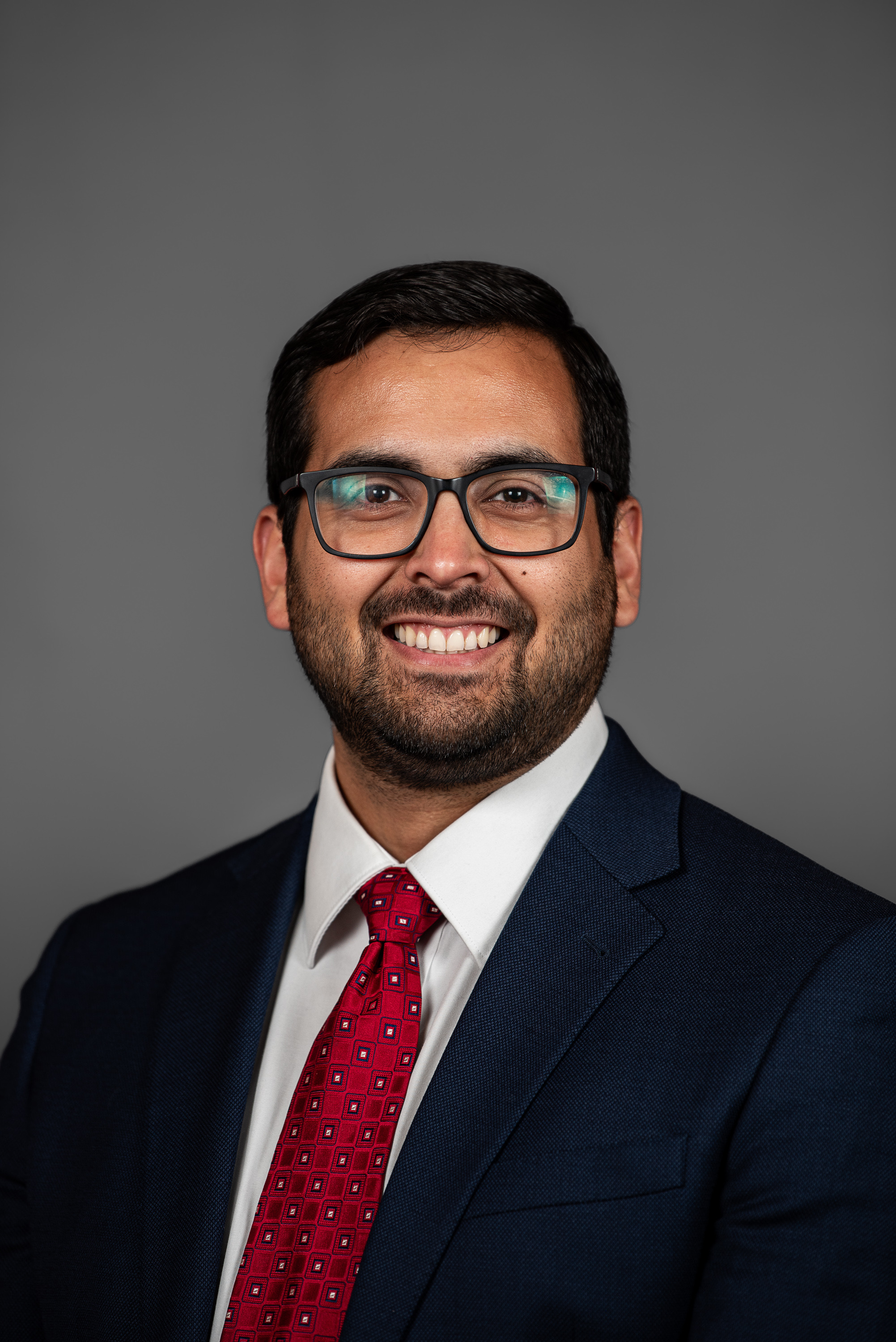
Derek Scholes, MD, RDN, MDA
Personal Statement
As a registered dietitian, I learned that nutrition can profoundly alter the course of disease, yet I repeatedly encountered patients whose illnesses could not be solely treated through dietary therapy. During my dietetic internship, I witnessed patients improve with enteral nutrition and TPN, but for me, this wasn’t enough. I need to feel that I am treating my patients more holistically, revealing to me the limits of dietary therapy in complex pathology. This experience shaped my approach to patient care through a dual lens that views disease as inseparable from nutrition, metabolism, and long-term health. It also recognizes medicine’s critical role when nutrition is insufficient. This perspective is the foundation of my commitment to gastroenterology.
I am continuously drawn to conditions where I can simultaneously prevent disease, provide procedural solutions, and address the nutritional consequences of gastrointestinal illness. Early exposure to gastroenterology while in my dietetic training confirmed that it uniquely integrates these approaches. Thus, becoming a gastroenterologist would allow me to leverage my background in dietetics to treat disease states, while also being able to intervene on a medical and procedural basis.
During my fourth year of medical school, I furthered my nutrition and medical education through coordinating a malnutrition quality improvement initiative as part of my Master’s in Dietetics Administration. This was driven in collaboration with the clinical nutrition department at Howard University to improve the diagnosis and treatment of moderate and severe malnutrition. This project taught me the widespread and underappreciated impact of malnutrition across patient populations and how to address it through multidisciplinary efforts to improve outcomes.
In addition to quality improvement, my research examined clinical outcomes and disparities in gastroenterology and hepatology. The outcomes strengthened my commitment to equitable care and heightened my awareness of structural barriers to healthcare. Growing up in a Hispanic community, I witnessed how language, health literacy, and access to care all influence health outcomes, making disparities research deeply personal. Being able to measure these disparities and discuss their effects directly with patients is both enlightening and deeply meaningful.
I again witnessed these barriers firsthand during my transplant hepatology rotation. I cared for a Spanish-speaking woman with drug-induced liver injury who progressed to acute liver failure. While language concordance allowed me to build trust and ensure she understood her care, her greatest obstacle was systemic. She had obtained out-of-state Medicaid while inpatient, which was not accepted at our transplant center. At a critical moment, her access to life-saving care was limited not by medicine, but by policy. I then realized that caring for vulnerable patients often requires physicians to navigate systems as diligently as they navigate disease. It led to multidisciplinary coordination, cultural humility, and physician leadership in delivering equitable care, ending in her transfer to a facility that could perform the care that we could not.
My background and experiences position me to help expand access to high-quality gastrointestinal care for underserved populations while integrating evidence-based nutrition and medicine into clinical practice. I aspire to become a gastroenterologist who integrates nutrition, procedural expertise, and health equity to improve outcomes for diverse and underserved populations.